Showing posts with label lichen. Show all posts

Sunday, 6 March 2016

Mostly Mosses

With the chilly weather continuing, there haven't been many insects to look at, so this week I turned my attention to a group I've never really looked at before. At the start of the week my moss list stood at a rather dismal 3 species out of the around 600 that can be found around the UK, so I thought I'd see what I could do to improve that. I signed up to the Grasses, Sedges, Rushes, Mosses, Lichens & Ferns group on Facebook, and am extremely grateful to the help I've received there, without it, my enthusiasm for mosses might have been extremely short-lived. Instead, over the course of the week I've managed to more than triple my list, to a mighty 10 species! I've enjoyed poking about looking at a set of species that I've previously ignored, and starting to get to grips with the common species.

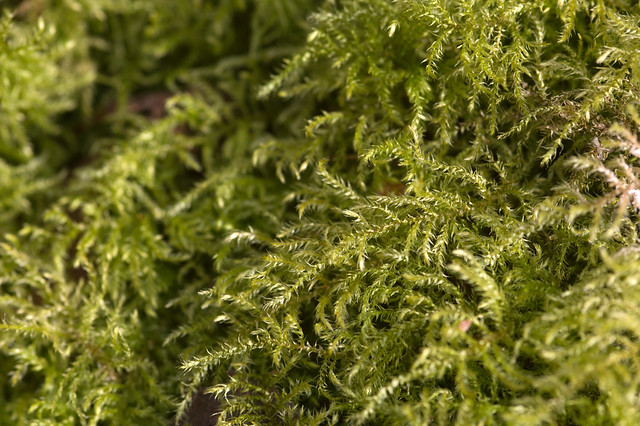
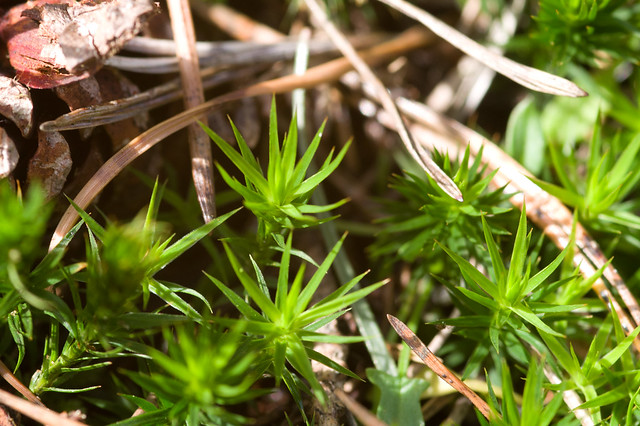
First on my new moss list is the aptly named Common Feather-moss, an extremely common moss in the woods at The Lodge, which has feather tendrils, coating the bases of trees and numerous patches of deadwood. Out on the heath I added a couple more common species, Broom Fork-moss and Cypress-leaved Plaitmoss, and rounded off a successful outing by adding a non-moss to my list, the cute little blue weevil Ceutorhynchus erysimi, which was conveniently wandering along a fencepost just after I'd bumped into Mark, who's currently writing some brilliant guides to weevils.
Common Feather-moss
Common Feather-moss
Broom Fork-moss
Broom Fork-moss
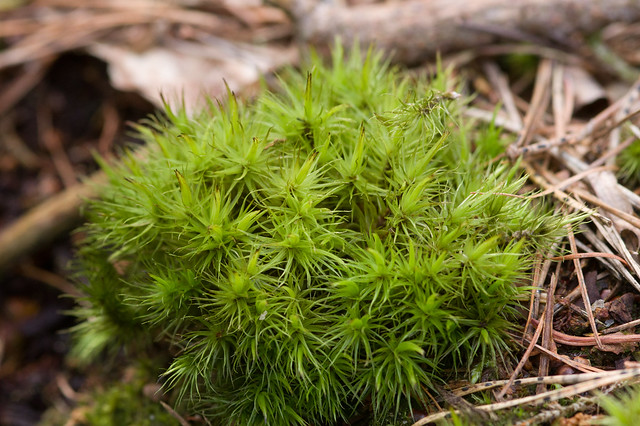
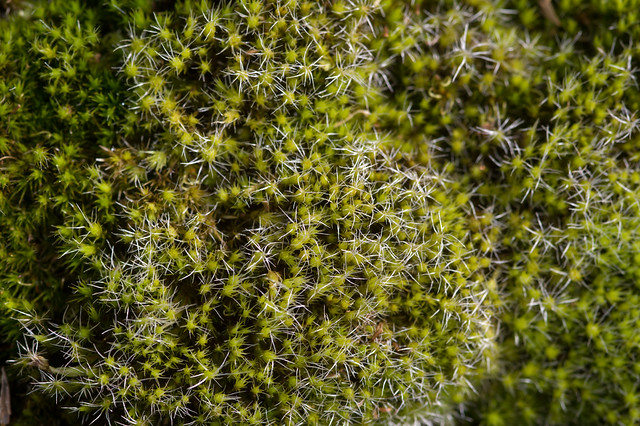
Later in the week I had another lunchtime wander, this time heading up to the iron-age hillfort in the hope of finding new species. It didn't take long to find some, galley hill was blanketed in heath star-moss (good names these mosses have), up in the pine trees by the hillfort was a small patch of bank haircap. and a thick branched moss underneath the heather proved to be Neat Feather-moss.

Heath Star-moss
Heath Star-moss
Bank Haircap
Bank Haircap
Neat Feather-moss
Neat Feather-moss
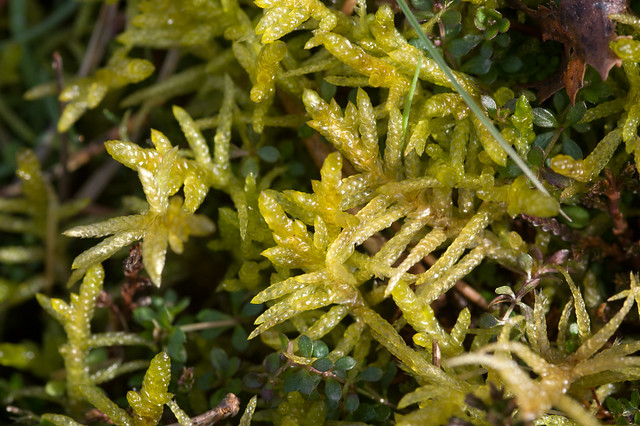
After that I'll admit to cheating a little bit, and looking at the records for the reserve to see if any of them gave specific locations to let me do a bit of moss-twitching. A lot of records were quite vague, but a description of "pond on the front lawn" was pretty specific, and sure enough there was lots of the distinctive Pointed Spear-moss in the pond, and lots of Springy Turf-moss in the grass nearby.

Pointed Spear-moss
Pointed Spear-moss - pointy!
Oh and just in case you thought I'd forgotten my previous like of lichens, here's one I added to my list recently, the rather elegant Oak-moss Evernia prunastri.

Evernia prunastri

Hopefully we'll be seeing some warmer weather soon, but if not, at least there's still lots of natural history to be hunting for :)

Thursday, 21 January 2016

Liking lichens

There have been some really interesting posts on lichens on the pan-species listing facebook recently, and seeing as my UK list hasn't made it into double figures yet, I thought I should take a closer look at some of the lichens at The Lodge. The first one I found is the extremely common Xanthoria parietina, which is one of the few on my list already, but when I posted the photo to check I'd got the identification right, it turned out that a second common species, Physcia adscendens was also present, tick!
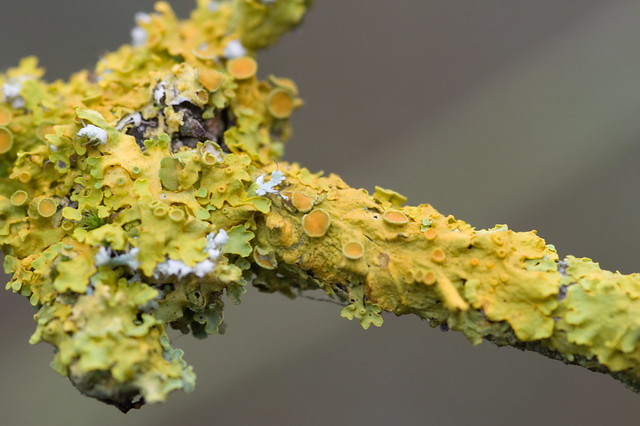
Xanthoria parietina
Xanthoria parietina, with little bits of Physcia adscendens poking through
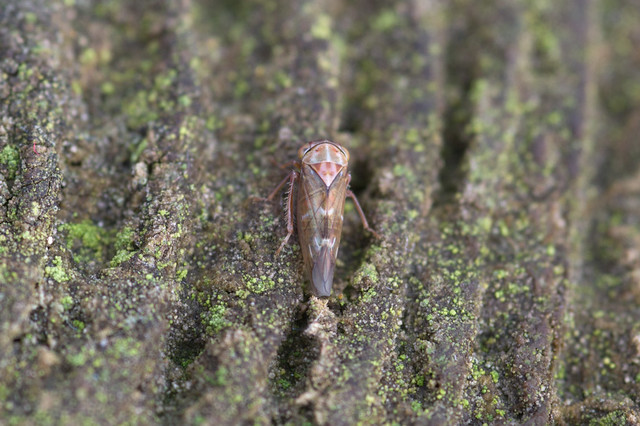
My next find wasn't a lichen, but an impressive display of one of the few fungi I'm able to confidently identify, the excellently named Turkey-tail. Shortly afterwards I was rather surprised to see a leafhopper braving the near zero conditions. It's one of the difficult Idiocerus group, but with the pale markings on the head and pronotum it can be identified with reasonable confidence as Tremulicerus vitreus, a fairly common species associated with sallow and poplar, and in winter with conifers.
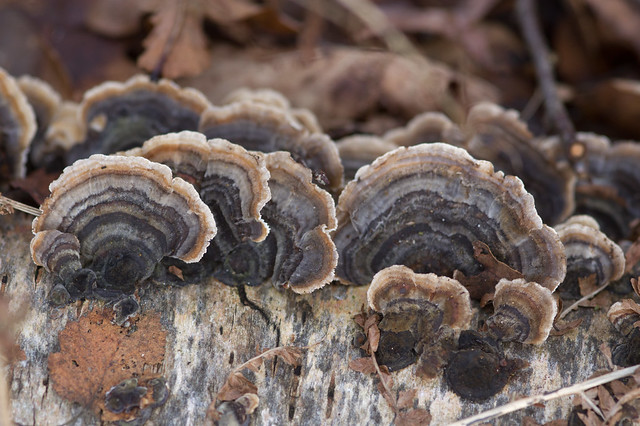
Turkeytail
Turkey-tail, looking rather like a Turkey's tail!
IMGP3576
Tremulicerus vitreus
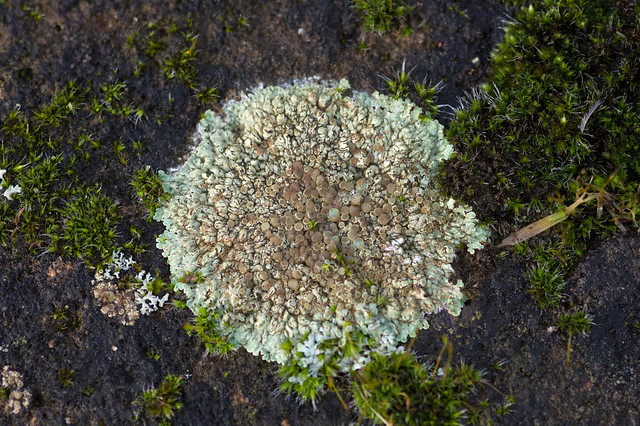
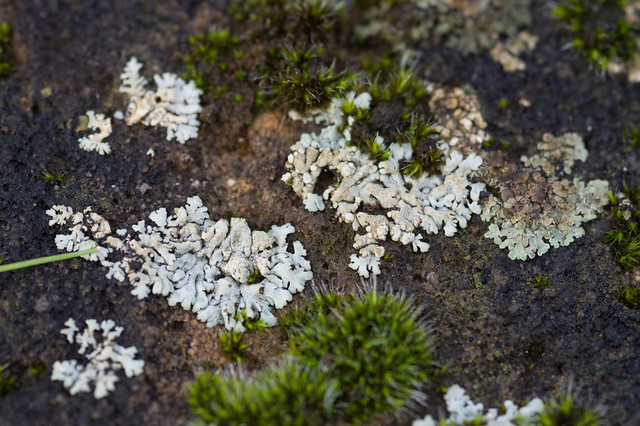
Onto the heath and back onto the lichens with a wonderfully foliose Cladonia species, probably Cladonia ciliata ssp. tenuis according to more knowledgeable people than myself, but not with enough confidence for me to claim another tick. Much more straightforward were the lichens encrusting the concrete rim of the old swimming pool in the garden, the extremely common Lecanora muralis (commonly known as the chewing gum lichen as it often forms small patches on pavements that look like discarded gum), and my final new species for the day, the equally common Physcia caesia. I enjoyed taking a closer look at things that I've previously ignored, so I suspect a few more lichens may appear on this blog in future, at least until the insects are back :)
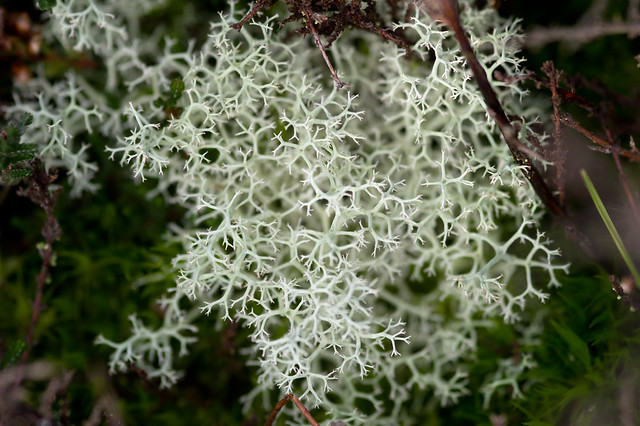
Cladonia cf ciliata ssp. tenuis
Cladonia cf ciliata ssp tenuis
IMGP3605
Lecanora muralis - chewing gum lichen
IMGP3603
Physcia caesia